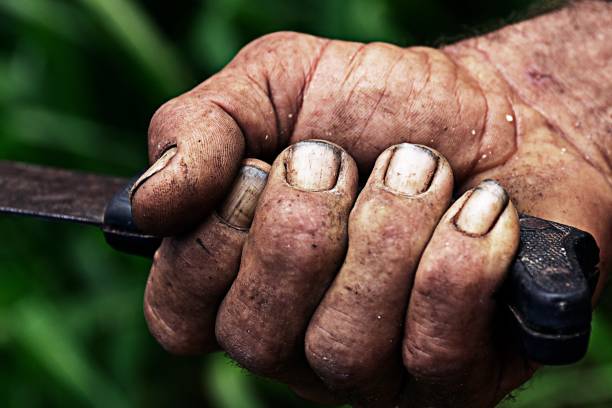
One vivid memory of playing Jesus on stage is the rush of activity inside the different tombs—lifting white robes from hangers and throwing them on, tying things, adjusting my hair or wig (depending on the year), and some years, pulling a black Sharpie out of my pocket. The Sharpie was for drawing nail holes in my wrists—the more ragged the better. Then I would adjust the various garments and step out of the grave on cue.
Immediately, Jesus is confronted by Thomas, pulls up his sleeves to show his wrists, and the two have a moment.
You know the story: ten disciples had told Thomas Jesus was alive, but he was having none of it.
“Until I see the nail prints in His hands and put my finger into His side, I will never believe!” John 20:25.
Thomas had doubts, but he had more—bitterness, the grief of a lost friend and lost dreams. It was a crushing blow. Thomas is too hurt to think clearly.
Perhaps the name “Doubting Thomas” should be changed to “Grieving Thomas.”
To me, he is not so much an overly rational skeptic as he is a deeply emotional man who has just buried the Man he hoped would change the world.
Jesus understands and seeks out Thomas personally.
“Put your finger here and see my hands. Reach out your hand and touch my side. Be not unbelieving, but believing.”
Thomas responded, “My Lord and My God!” John 20:27-28.
Sometimes our hurt keeps us from faith. Shattered dreams leave us afraid to hope. And let’s be honest—bitterness feels good. To wallow in your hurt, your injustice, your entitlement to that which was taken from you—it feels good to tell yourself you’re special, that you have a right to your bad feelings, to your self-centeredness, your self-worship.
But Jesus offers something better. Himself. Maybe the others did not need to see His hands and feet or to touch His side. But He offered it to Thomas.
What does Jesus need to offer you before you will believe?
ΑΩ
 Household Words: