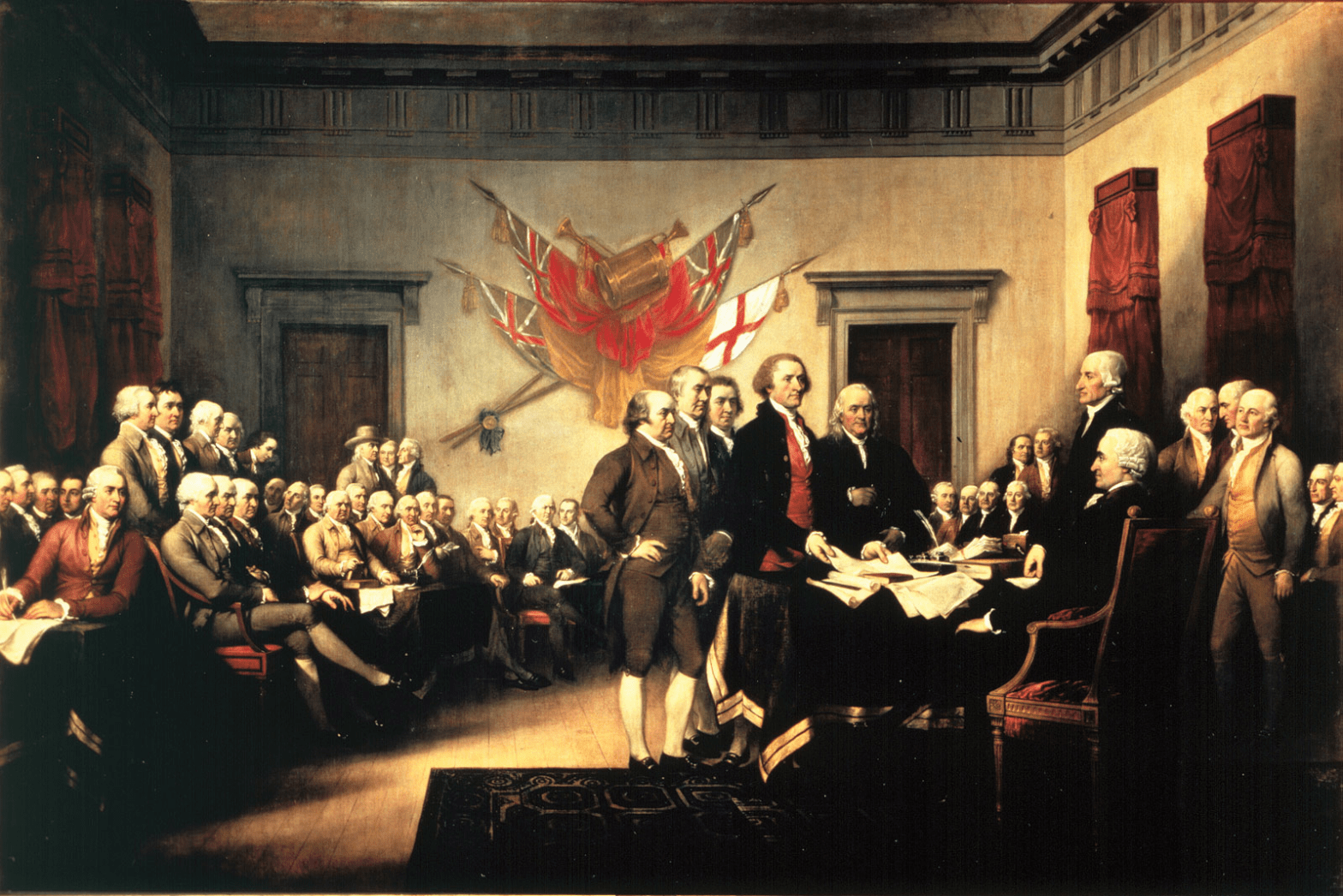
The U.S. Founding Fathers hold the Continental Congress, drafting a Declaration that will plunge them deep into war. Churchill, Roosevelt, and Stalin meet in Yalta and decide to charge Nazi leaders with war crimes. The Roman Senate declares Julius Caesar an Enemy of the State. The Algonquin Round Table meets daily for lunch at New York’s Algonquin Hotel famously discussing everything happening in the 1920s. In April, 1054, a Papal delegation arrives in Constantinople to address divisions in the church, things get heated, the delegation abruptly leaves, each side excommunicates the other—and the Great Schism results, splitting Christianity into the Western Catholic Church and the Eastern Orthodox Church.
Routine meetings can be boring. BUT—not all meetings are routine!
Acts reports on an august assembly of church leaders: Peter, Paul, James, Barnabas, and Silas were there. Apostles, elders, and converted Pharisees were there. Everyone was there. It was a Who’s-Who of influential Christians.
And they had a debate to settle.
“Believers from the … Pharisees stood up and said, ‘It is necessary to circumcise [Gentile converts] and command them to keep the law of Moses!’… There was much debate…. Paul said, ‘Why are you testing God by putting a yoke on the disciples’ necks that neither our ancestors nor we have been able to bear?’… Finally James responded: ‘We should not cause difficulties for those among the Gentiles who turn to God, but instead we should write to them to abstain from things polluted by idols, from sexual immorality, from eating anything that has been strangled, and from blood’” Acts 15:5-20.
This may sound dull, but it was a HUGE CONTROVERSY! And the solution was NOT black-and-white, either-or. They did not reject the entire law, but they did not keep the entire law. Instead, James offered a seemingly un-Biblical compromise. And everyone agreed to it.
But why the compromise? Because a complete disregard for the appearance of the law might cause some to never follow Christ. Believers should NOT indulge their full freedom in Christ if doing so might cause non-believers or new believers to stumble. For example, a middle school Bible teacher should not let her students see her drinking alcohol.
Does she have freedom in Christ? Yes. Does love require her to limit her freedom? Yes.
What are other freedoms should Christians hold in check for the good of their witness?
ΑΩ
 Household Words: