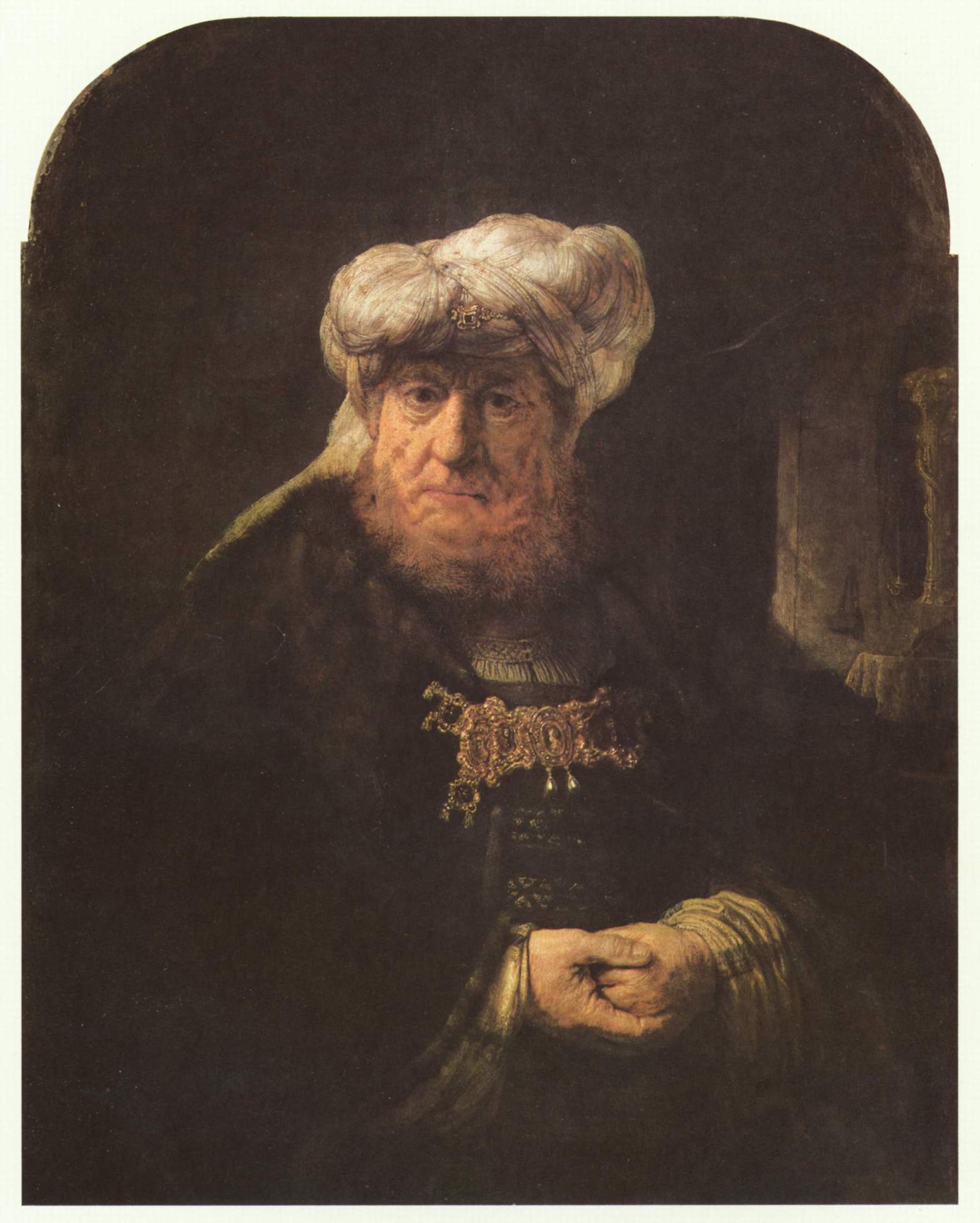
Painting: “King Uzziah Stricken With Leprosy,” by Rembrandt, 1635.
Uzziah was a farmer, war hero, inventor, and king. He lived a rich, successful, creative life. But his successes were not without risk. But what possible risk accompanies success?
Uzziah was crowned king at the tender age of 16, 2 Kings 15:2. The young man was obedient to God, as was his father:
“He did that which was right in the sight of the Lord, according to all that his father Amaziah had done” 2 Kings 15:3.
Result? King Uzziah “reigned fifty and two years in Jerusalem” 2 Chronicles 26:3.
King Uzziah won a series of wars against the Philistines, knocking huge sections out of the walls of their cities, 2 Chronicles 26:6-7. In fact, so talented was he in battle that his fame spread as far as Egypt, 2 Chronicles 26:8.
At home, Uzziah fortified towers in the wall of Jerusalem, dug numerous wells in the desert, and cultivated herds and flocks, farms and vineyards, “for he loved husbandry” (farming) 2 Chronicles 26:10.
Nevertheless, King Uzziah’s real genius appeared on the battlefield. He amassed large armies, then outfitted them with top gear:
“And Uzziah prepared for them shields, and spears, and helmets, and habergeons [suits of armor], and bows, and slings to cast stones. And he made in Jerusalem engines, invented by cunning men, to be on the towers and on the bulwarks, to shoot arrows and great stones withal. And his name spread far abroad for he was marvellously helped, till he was strong” 2 Chronicles 26:14-15.
Notice just two of King Uzziah’s innovations: he gave his soldiers suits of armor to wear and he placed catapults on the walls of Jerusalem, an “engine” rarely seen at this time. No wonder he was a successful general and held the throne for over fifty years!
But then things went south. You can probably guess where King Uzziah went wrong: Pride.
King Uzziah forgot about Israel’s doctrine of the Separation of Church and State.
BOUNDARIES, you know? God separated the kings from the priests. No matter how successful and devout a king might be, he was not allowed to interfere with the duties of a priest. But some of the kings crossed the line. King Saul did it. King Uzziah did it.
“He transgressed against the Lord and went into the temple to burn incense upon the altar” 2 Chronicles 26:16. The priests followed the king in and rebuked him. How do prideful kings respond to rebuke? Angrily.
“Then Uzziah was wroth … and while he was wroth with the priests, the leprosy even rose up on his forehead before the priests in the house of the Lord” 2 Chronicles 26:19.
The priests rushed the king out of the temple—and the king himself got the message. Suddenly he was terrified and humbled.
“He hasted also to go out, because the Lord had smitten him. And Uzziah the king was a leper unto the day of his death and dwelt in a several house [separated from everyone else], being a leper, for he was cut off from the house of the Lord” 2 Chronicles 26:20-21.
You have heard it before:
“Pride goeth before destruction,” Proverbs 16:18.
King Uzziah let his pride convince him he could ignore the rules. And God punished him with a punishment that would never go away. Never again in his life would Uzziah be so prideful, so arrogant, so presumptuous in the presence of the Lord.
“And the Lord smote the king so that he was a leper unto the day of his death” 2 Kings 15:5.
God, make us humble. No matter what we achieve, keep us humble. Warn us! Protect us! Send someone to speak hard words to us! Never let us cross boundaries that you expect us to respect and honor. Make us your humble, grateful servants. Never let us forget that all our achievements come from you!
“What do you have that you did not receive?” 1 Corinthians 4:7.
AΩ
 Household Words: