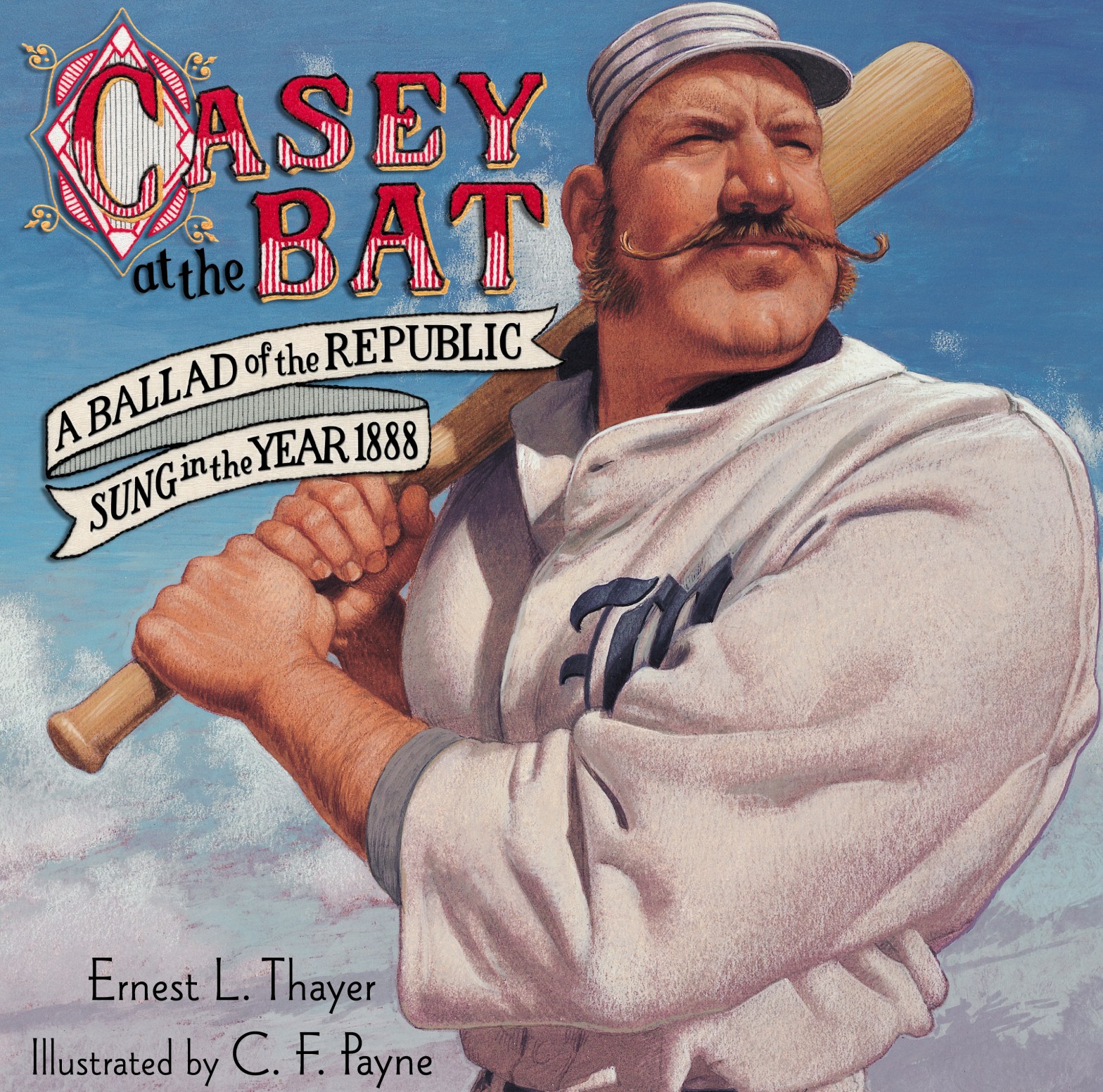
The tales are legendary. Ford rejected the minivan, arrogantly believing Americans would buy what Ford told them to buy—more station wagons. Struggling Chrysler, led by former Ford executive Lee Iacocca, said yes to minivans and saved its business (sinking the station wagon forever). Hitler paid his architect, Albert Speer, to design a new Berlin—a capitol that was to last a thousand years, but the warmongering nation was destroyed before a single building was built. Shipbuilders designed the greatest ship ever made and claimed it was “unsinkable.” But the Titanic sank on its maiden voyage. Even Casey, the make-believe baseball player in the popular poem Casey at the Bat, goes from hero to zero when he arrogantly ignores two good pitches, then loses the game for his team when he swings at and misses the third.
Pride is a tricky thing. We need enough confidence to believe we can compete with others, yet not so much that we think we are better than others.
But what if you actually are better than others? The student who is the valedictorian does not simply think he is the best; he knows he has achieved better grades than everyone else. What should a valedictorian think? Or the football star or the musical prodigy? When we achieve a worthy goal, how are we to think of ourselves? What should a high achiever think?
Consider the advice of the Apostle Paul—a leader of the early church who was not only tough-as-nails, but possibly the most intelligent and well-educated of all Biblical writers. The prolific church planter wrote more books of the Bible than anyone else. Yet, this successful man of God repeatedly emphasized the importance of humility. This is how a high achiever should think:
“Let no one among you think more highly of himself than he ought to think, but think so as to have sound judgment” Romans 12:3.
Pride puts a target on your back: a target sighted-in by a sharpshooter no less talented than God himself.
“God is opposed to the proud, but gives grace to the humble” James 4:6.
Don’t be proud. You do not want God opposed to you.
God humbles people: “The lofty looks of man shall be humbled, and the haughtiness of man shall be bowed down” Isaiah 2:11.
As if to make the point even more clear, God humbles the earth itself!
The Lord of hosts shall be upon everyone that is proud and lofty … and he shall be brought low.
And upon all the cedars of Lebanon, and upon all the oaks of Bashan.
And upon all the high mountains and upon all the hills that are lifted up.
And upon every high tower and every fenced wall.
And upon the ships of Tarshish.
And upon all pleasant pictures [great works of art] Isaiah 2:12-16.
Imagine that. God humbles arrogant people. He humbles impressive cedars and oaks. He humbles the Rocky Mountains, the Himalayas, and the Alps. He humbles the hills in the Texas Hill country. He humbles towers, skyscrapers, tall bridges, and monuments. He humbles every impressive building and edifice. He humbles ships, yachts, trains. He humbles museums, palaces, and all the greatest art collections.
“And the loftiness of man shall be bowed down” Isaiah 2:17.
Dear God, make us humble. Give us wisdom. Show us how to “think so as to have sound judgment.” Remind us to be grateful, to remember the question “what do you have that you did not receive?” (1 Corinthians 4:7) and that “every good and perfect gift comes from above” (James 1:17). Make us grateful. We know everything we have—every gift, talent, and achievement—comes from you. We humble ourselves before you.
AΩ
 Household Words: