Joni asks hard questions—What about the quadriplegic on a ventilator? What about that person who can communicate only by blinking? How do you respond to an Alzheimer’s diagnosis? What hope is left when disease has spread and pain is increasing? Why hang on? What about those who live their entire lives trapped inside bodies and minds that don’t work as they should? The questions are real, and everyone asks them, whether they voice them aloud or not. Why go on? Why face it? More importantly, what is God up to?
Dr. Putt, my college philosophy professor, opened our first class by posing a classic question: Why don’t I just kill myself? Life is too hard—why should I endure it?
For a semester we discussed both the validity of that question and the strength of various answers. But no one present had the answers (or life experience) of Joni Eareckson Tada. (Frankly, Kierkegaard, Descartes, Augustine and the rest were not much help either.)
HEAVEN: YOUR REAL HOME by the author and speaker who became a quadriplegic in a diving accident in 1967, is an amazing book. I finished it 15 years ago and promptly misplaced it (I think I mis-loaned it!). But one passage stuck with me, and that was Joni’s response to life’s hardest questions. It was a revelation [quoting from a Google Book search]:
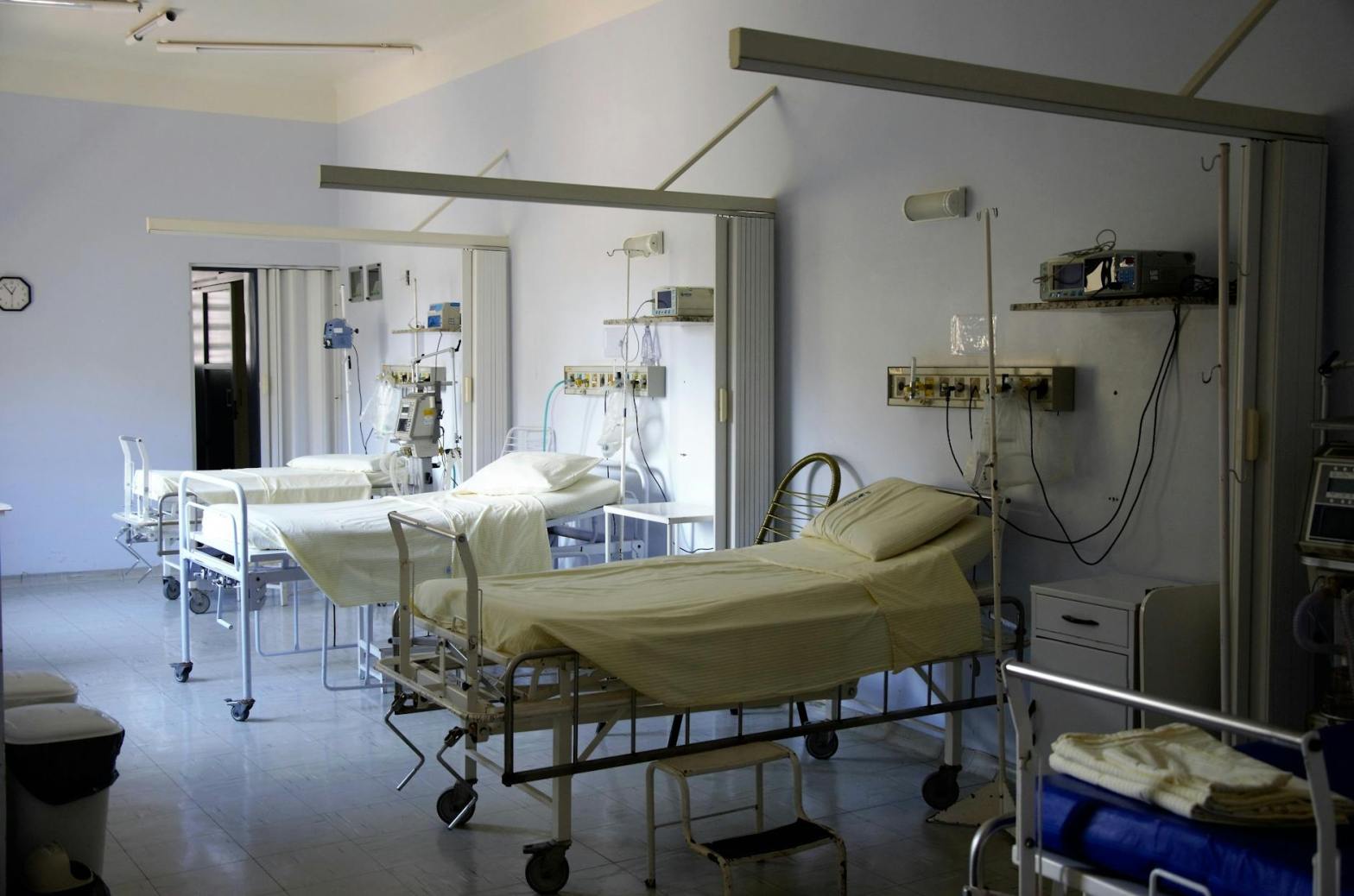
“I had a friend named Denise when I was in the hospital. She laid in bed for eight years, blind and paralyzed. She hung in there despite the odds.
“Denise died after eight years in that bed. My human logic said, ‘God, You should have taken her home to heaven sooner. What did her striving accomplish for the handful of nurses who happened to know her?’ But then I read a verse in Ephesians 3:10 that says God uses our lives like a blackboard upon which He teaches lessons about Himself. And He does it for the benefit of angels and demons—maybe not people, but quadrillions of unseen beings.”
Ephesians 3:10 says, “God’s purpose is… to use us to display His wisdom in its rich variety to all the unseen rulers and authorities in the heavenly places.”
Joni continues: “Something dynamic is happening in the heavens right now. Angels and demons are learning new things about God. It happens when believers allow their painful circumstances to be the platform from which their souls rise to heavenly heights. Every day that we go on living in these bodies means fruitful labor—for us, for others, for the glory of God, and for the heavenly hosts.”
Joni argues that believers continue to store up treasure in heaven throughout their lives, and the time when their lives become most unbearable, may in fact be the time when they are doing their greatest work for the Lord. Even when they seem unaware of their sufferings, whether due to advanced dementia or a comatose, minimally conscious, or persistent vegetative state, God is still using them to remind the enemy that God alone holds the power of life and death.
If you know the story of Job, you know that God can use the lives of his people to demonstrate the truth about His sovereignty and His goodness. Even in dementia, a faithful saint may do his life’s greatest work as he proves God’s great sovereignty over life and death and all things.
Imagine: accident or disease may leave your loved one blind, mute, in pain, or minimally conscious, yet his every breath preaches a sermon to the spiritual forces all around us, and every day he remains on earth is a day in which he serves his Lord and stores up treasure in heaven.
Your Great Redeemer redeems even suffering we cannot understand, and He gives to the suffering, even those who may have the least understanding of it, the opportunity to serve Him and earn eternal rewards. Lives that seem to “make no difference” may in fact be the most significant lives of all.
ΑΩ
 Household Words:
Great read! Keep em coming🙏
LikeLike